

Continuing with our tour of the Porsche Museum in Sttutgart … part 1 is here.
Dominating Porscheplatz in front of the Porsche Museum is a striking kinetic sculpture that suspends several classic Porsche models high in the air on slender steel ribbons. This dramatic installation, visible from the street and museum entrance was created by German artist Gerry Judah and was erected in 2009, coinciding with the museum’s opening.
Sia: “I’m unstoppable, I’m a Porsche with no brakes.”
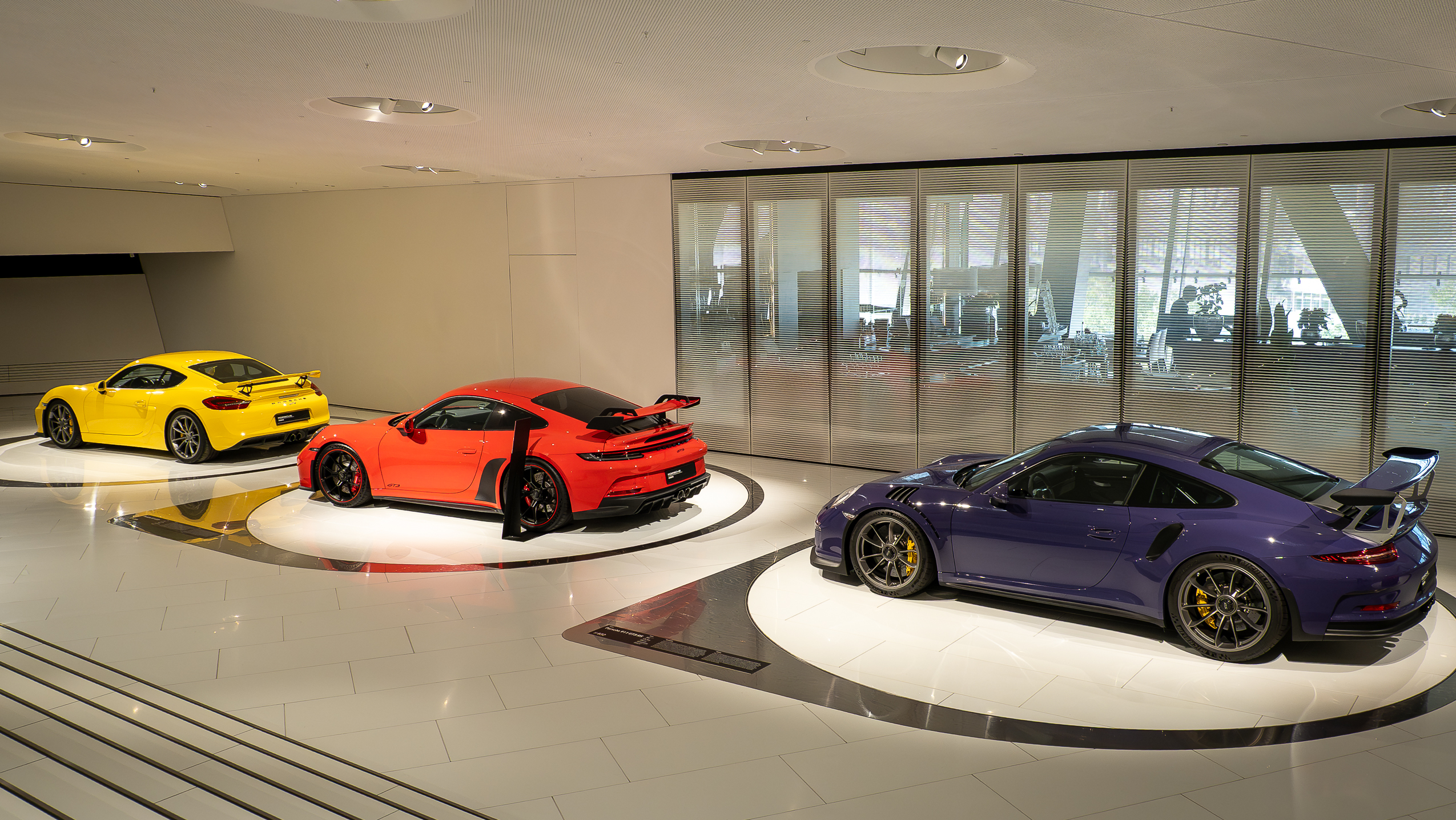
On display are the current Porsche’s 911 lineup representing the peak of naturally aspirated and turbocharged performance engineering. They are not museum pieces. The track-focused GT3 RS (purple in the above photo) has more aggressive aero, wider body, and weight-saving measures that make it one of the fastest production cars on any circuit. The red one is another GT3 while the vibrant yellow model is a Cayman GT4.
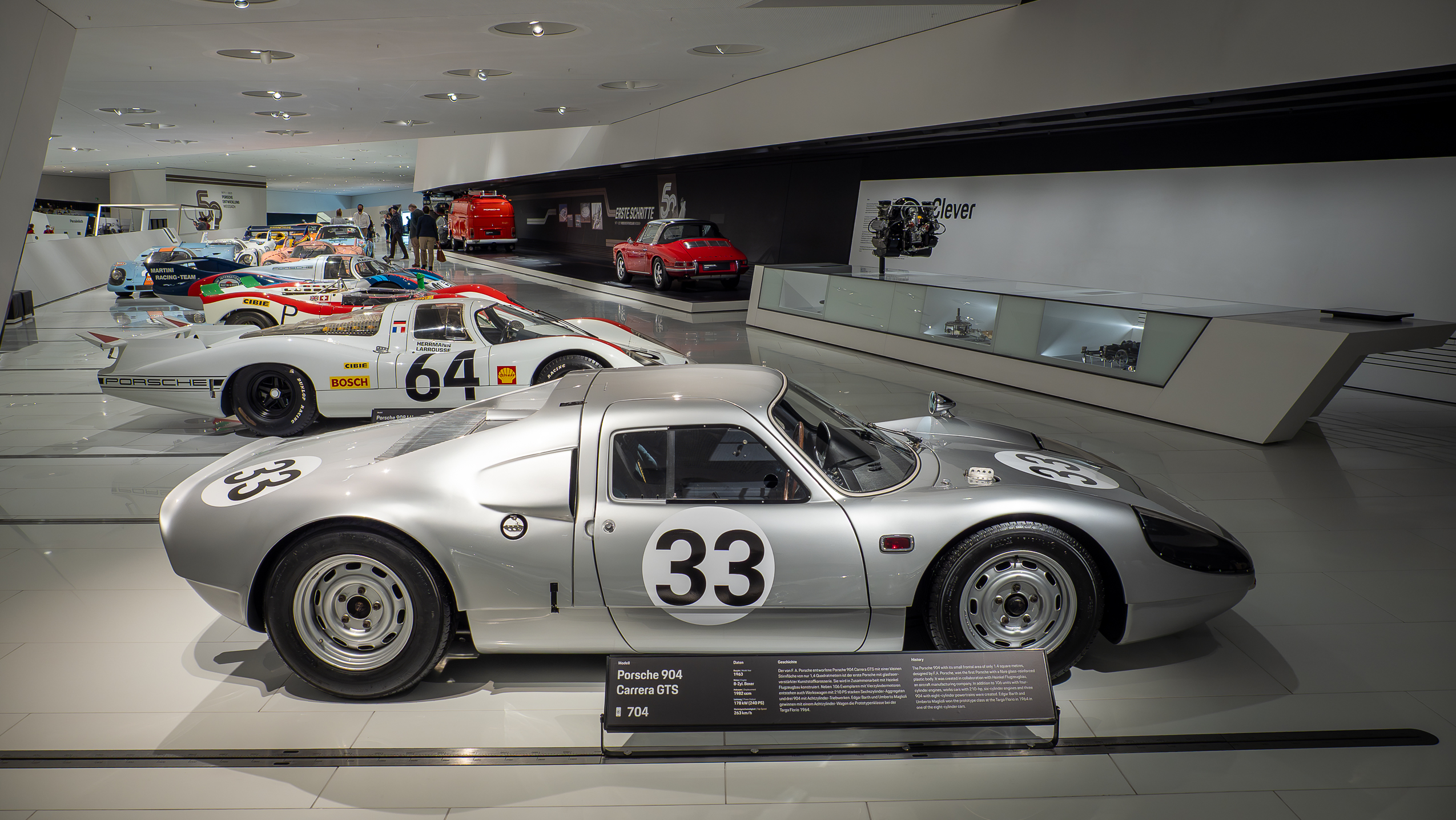
The Porsche 904 Carrera GTS, introduced in 1964, marked a pivotal moment in Porsche’s racing history as one of the company’s first purpose-built mid-engine competition cars. It achieved remarkable wins, at events like the Targa Florio, Monte Carlo Rally, and 24 Hours of Le Mans.
With only 106 examples built, it is one of the most sought-after classic Porsches.
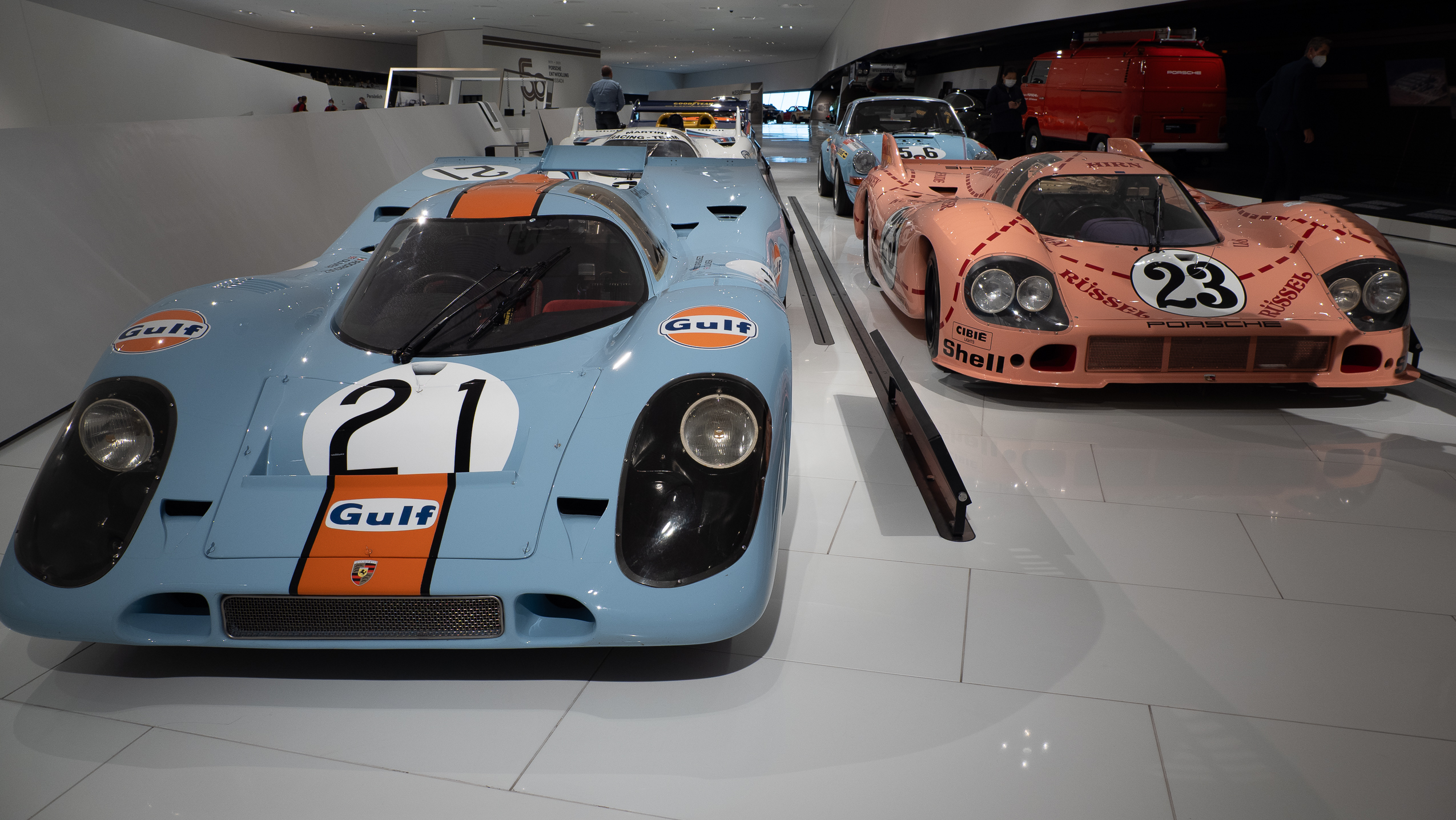
The museum display highlights Porsche’s racing success, with 19 outright victories at the 24 Hours of Le Mans—more than any other manufacturer. The 917, 956, 962, and more recently the 919 Hybrid have dominated endurance racing. This motorsport pedigree directly influences Porsche’s road cars, with technologies and lessons learned on the track making their way into production vehicles.
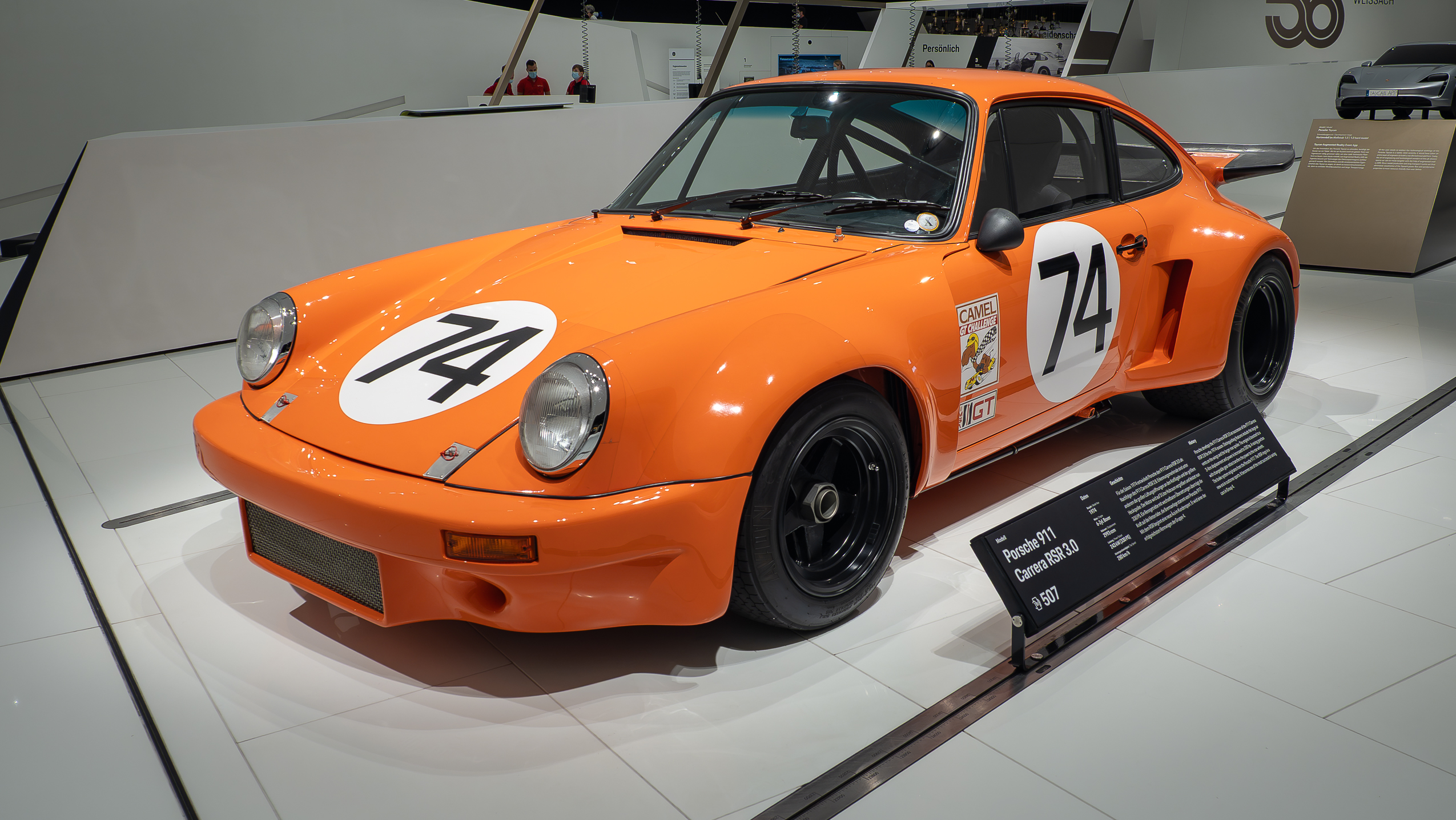
The 911 Carrera RSR 3.0 built in 1974-5 for racing is one of the most popular model. It dominated the GT category and became the most successful Group 4 racing car of its time. Group 4 was a classification for sportscars and grand touring (GT) cars, used in racing/rallying from 1954 to 1982, that competed in endurance events like the 24 Hours of Le Mans.
The 1975 Porsche 911 Turbo (930) brought turbocharged performance to the sports car world. Turbocharging uses exhaust gases to spin a turbine that compresses incoming air, forcing more oxygen into the engine to dramatically increase power output without increasing engine size. Today, turbocharging is standard across much of the lineup, delivering both performance and efficiency.
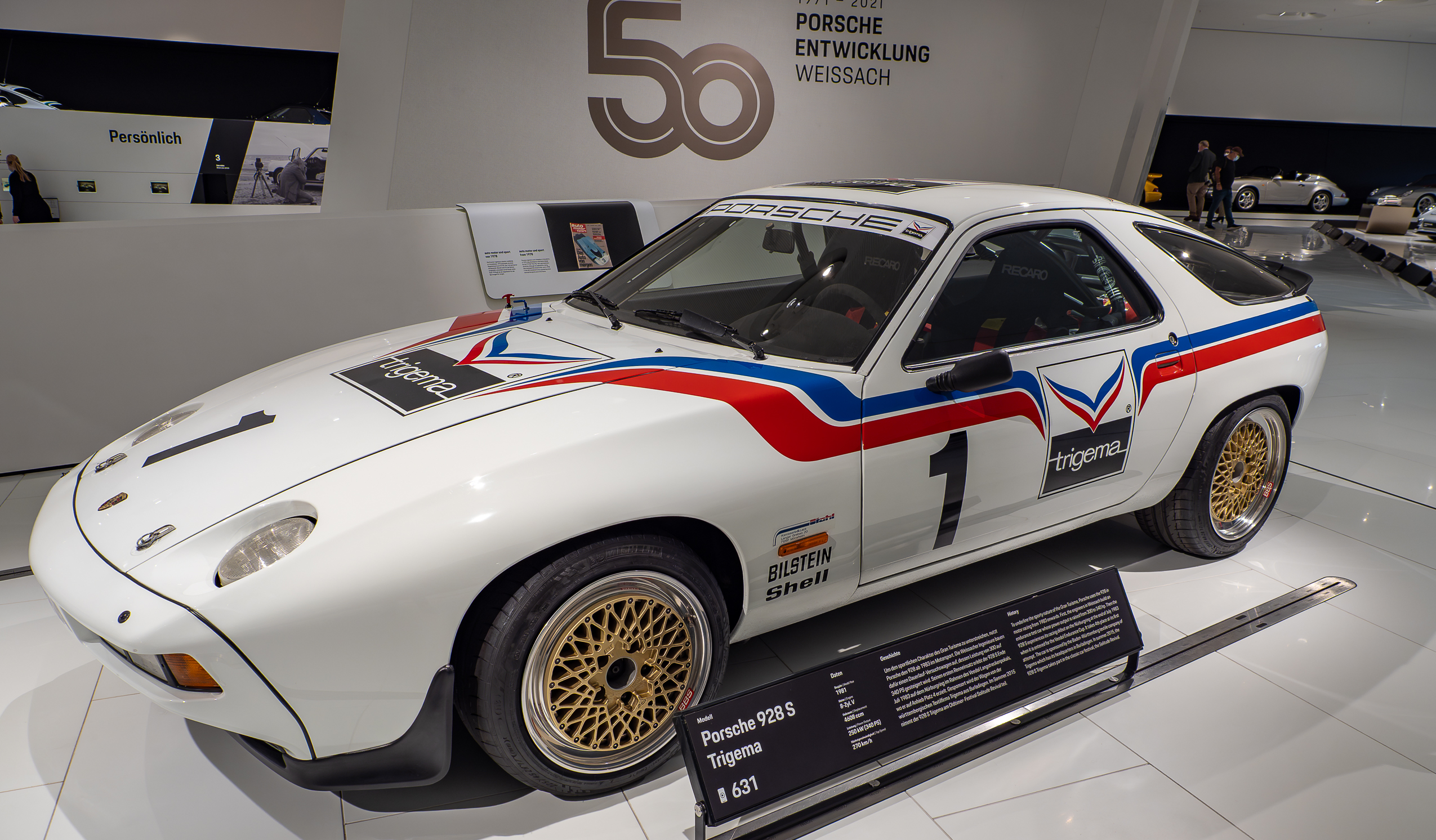
While the Porsche 928 was designed as a luxury grand tourer rather than a racing car, it did see limited competition use. One notable effort was by Trigema Racing in the early 1980s at the 24 hours of Le Mans. Although it never achieved much success, it demonstrated the model’s potential and became another sought-after piece of Porsche motorsport history.
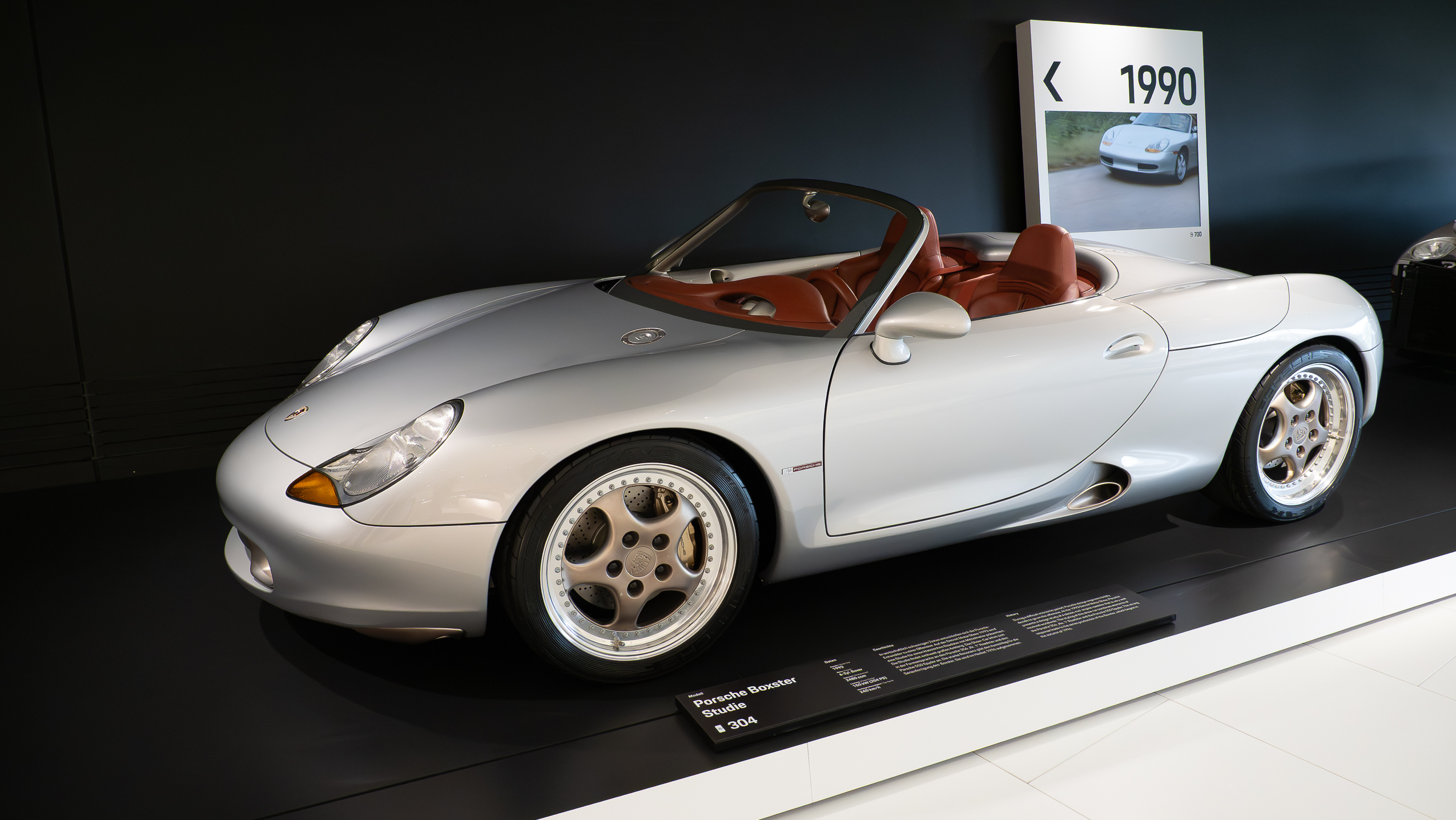
The 1990s brought severe financial difficulties as sales plummeted and production costs soared. Launched in 1996, the Boxster revitalized Porsche and redefined the affordable roadster segment. Named for its boxer engine and roadster body style, the Boxster introduced mid-engine balance and open-top driving pleasure at a price point below the 911.
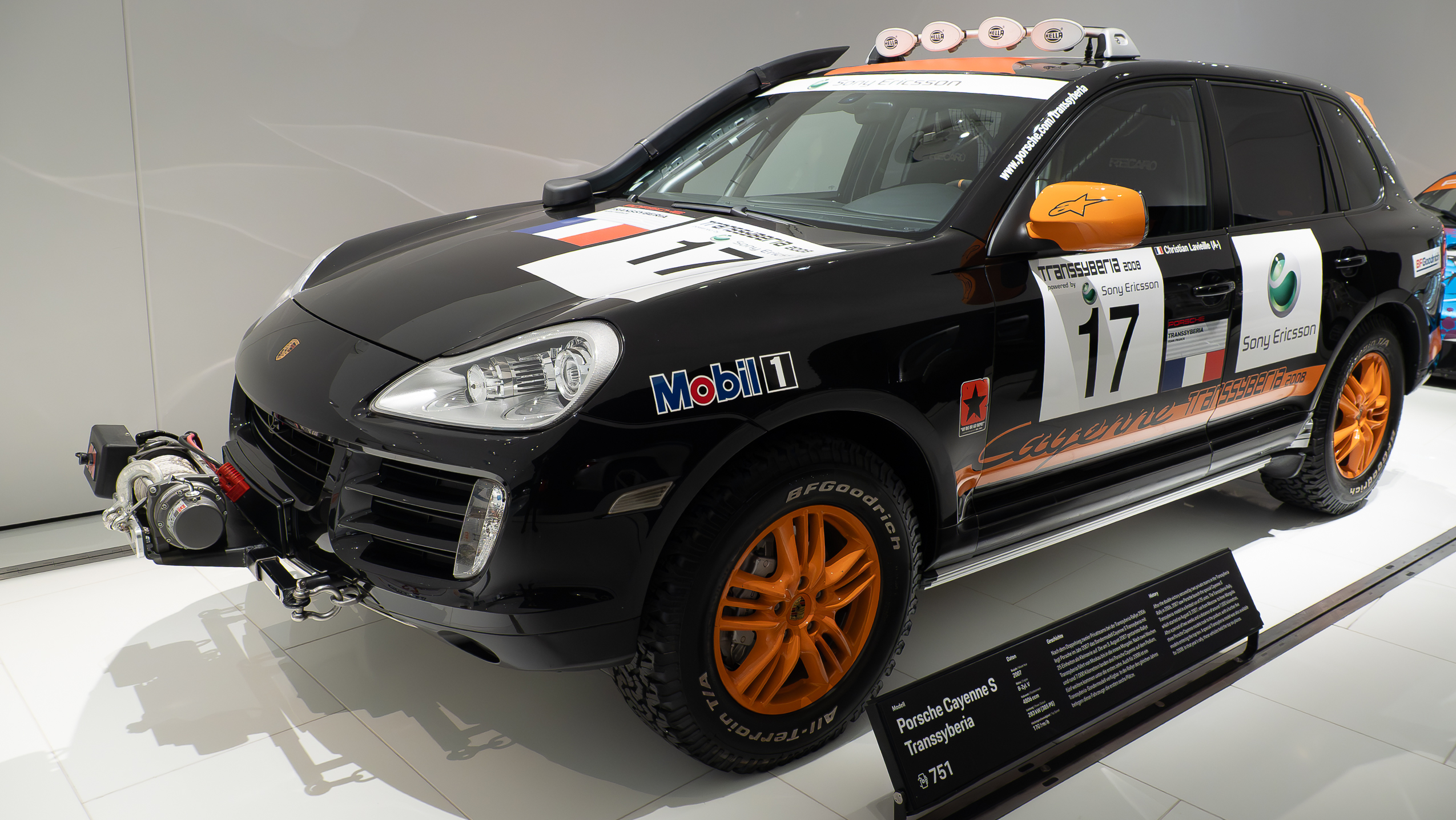
Cayenne S Transsyberia – When Porsche announced an SUV in the early 2000s, purists were horrified. The Cayenne’s 2002 launch was controversial, but it became Porsche’s best-selling model and saved the company financially. This bold move proved that Porsche could extend its performance philosophy beyond sports cars, paving the way for the Macan.
Porsche’s audacious attempt to take over Volkswagen in 2008-2009 spectacularly backfired during the financial crisis, nearly bankrupting the company. Ironically, VW ended up acquiring Porsche instead, though the Porsche and Piëch families retained significant control through the holding structure.
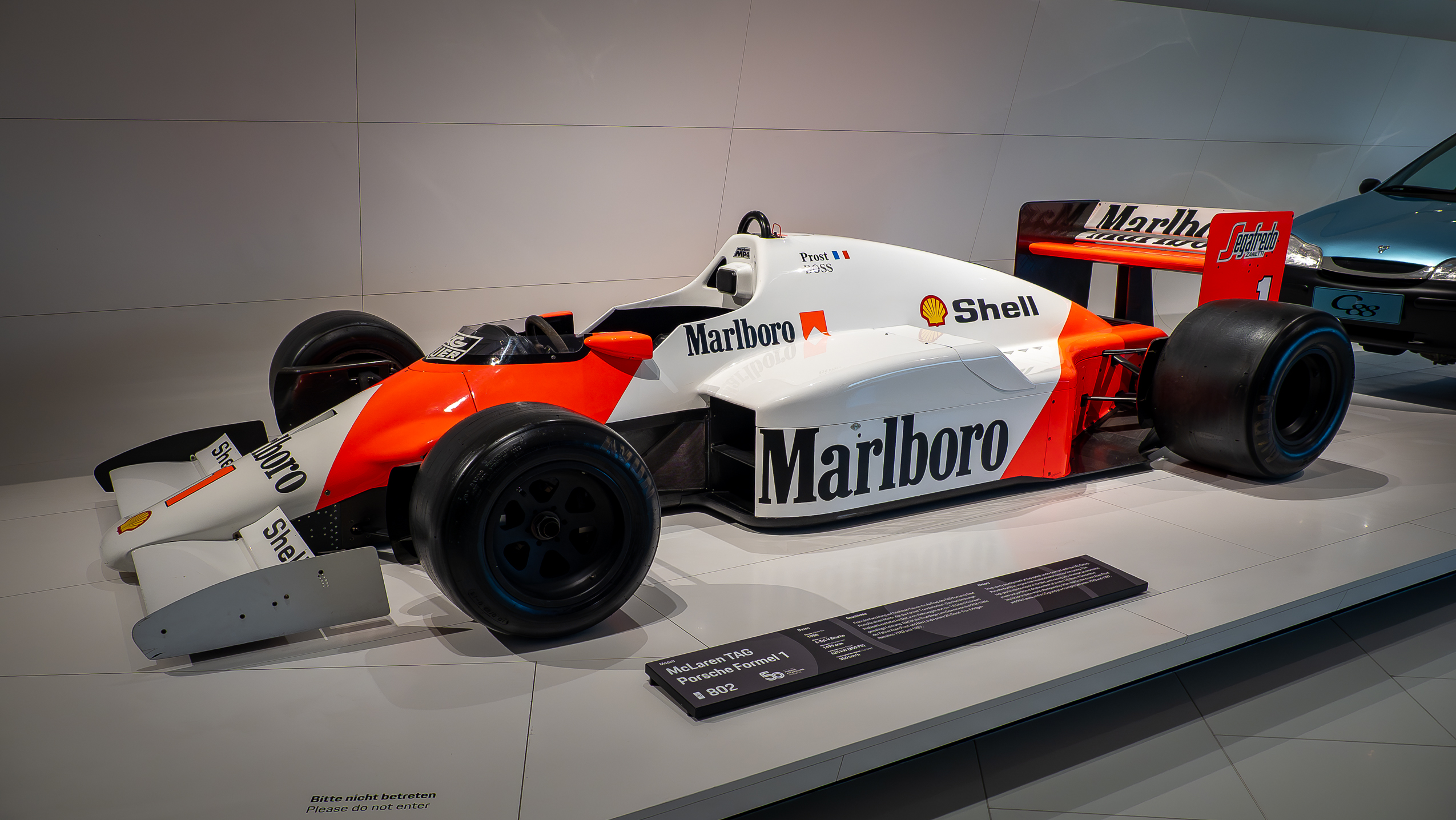
While Porsche didn’t field its own Formula 1 car, the Marlboro-sponsored F1 cars were McLarens using the TAG-Porsche turbo V6 engine (1986).
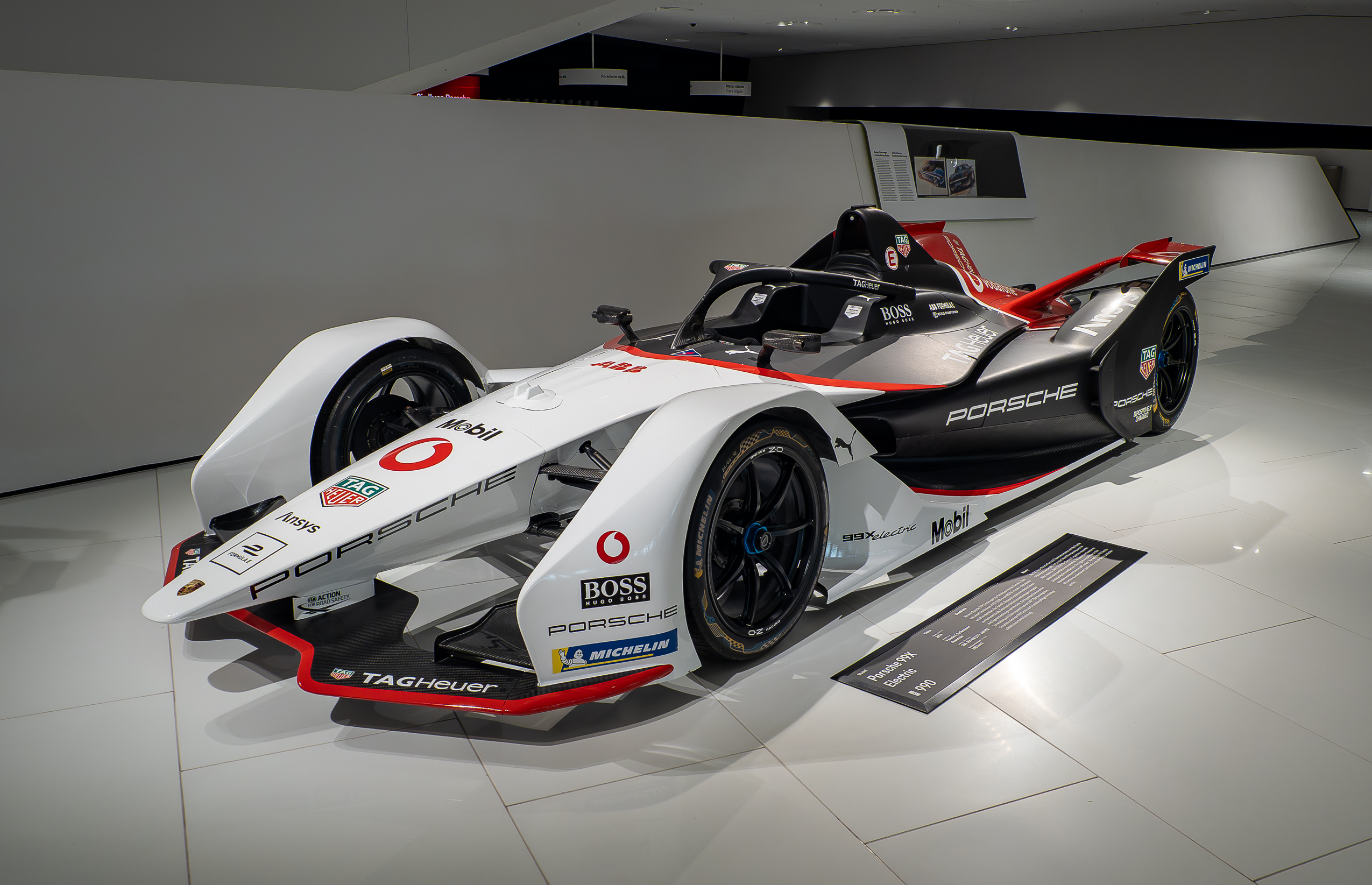
Porsche participated in the Formula E races debuting with the 99X Electric at the 2019 Ad Diriyah ePrix.
If you want to see more, here is a virtual tour of the Porsche Museum.
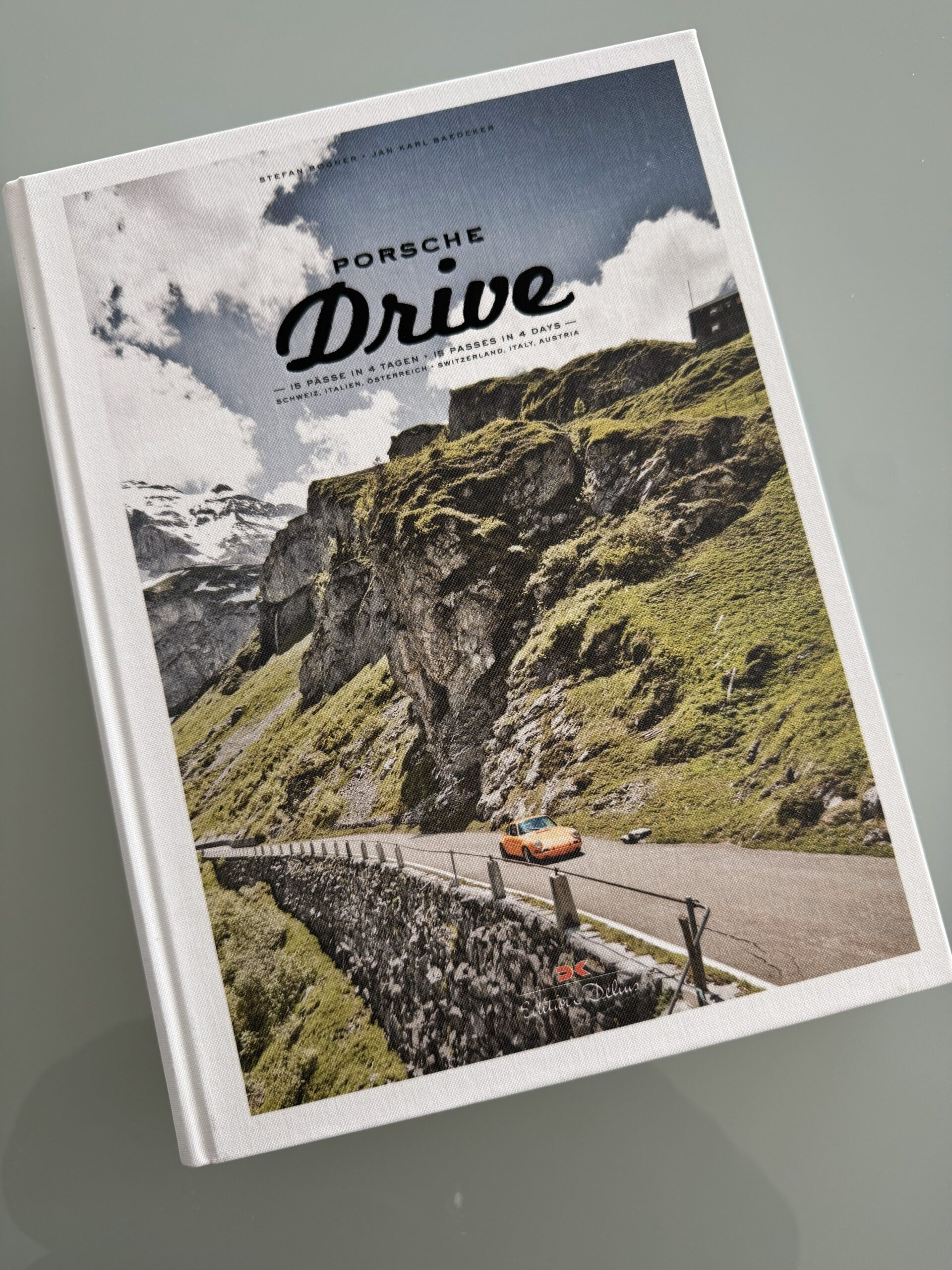
The museum has a store selling a range of branded apparel and accessories, and books. We picked up this hefty coffee table book about touring various mountain passes in the Alps in a Porsche. We did that a few years ago and the photos are shown in the Five Alps Mountain Passes in Two days series of posts.
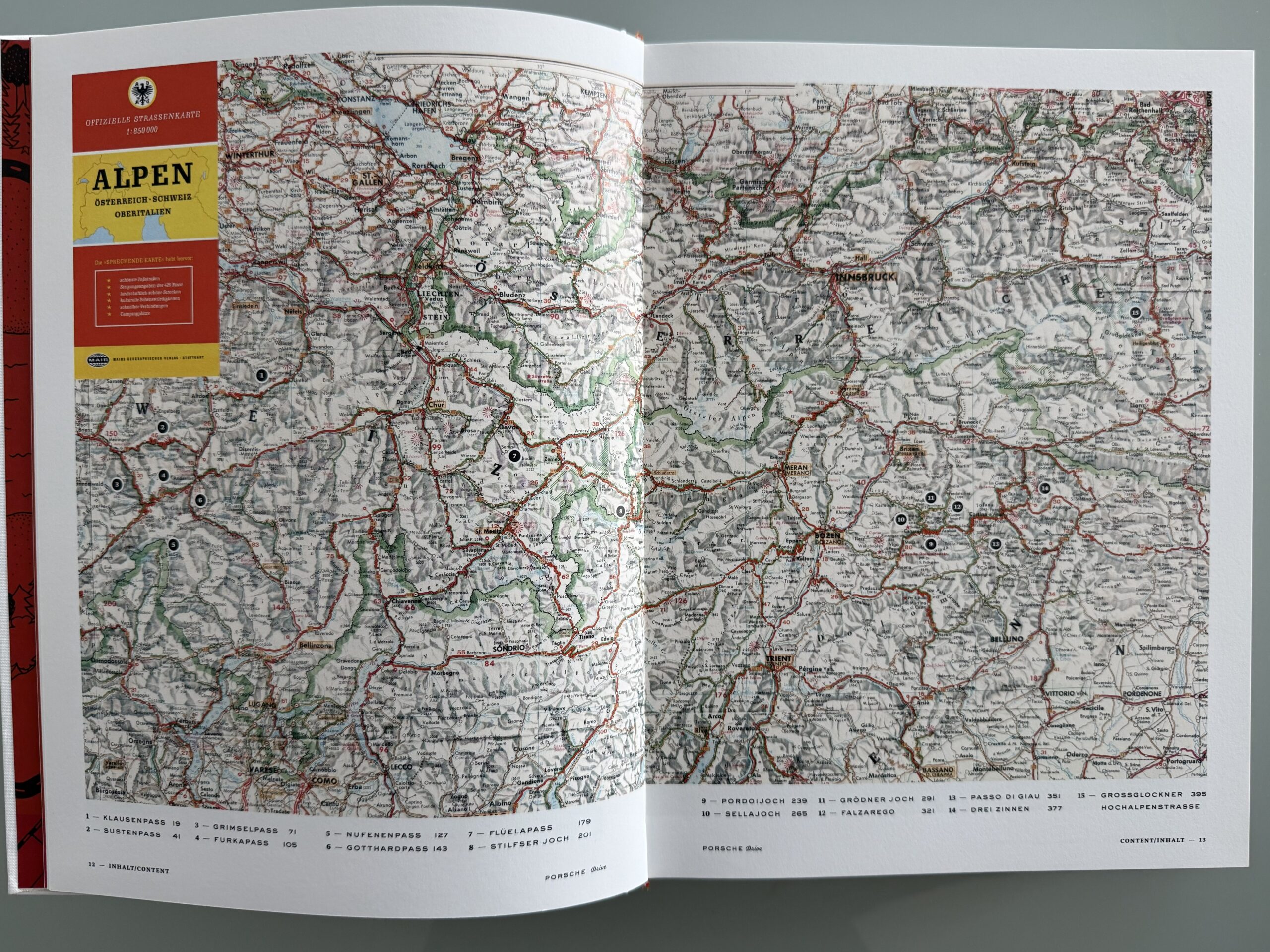
Our Alpine tour included Grimselpass, Furkapass, Oberlapass, Gotthardpass and Julierpass. Click on the image to get a closer look at this map from the book.
If you are into German cars, the posts covering the Mercedes-Benz Museum in Stuttgart are here and here. Also check out our post on the National Automobile Museum (MAUTO) in Turin, Italy (the town where Fiat was manufactured).