

While we were living in Switzerland, we took a pilgrimage tour to Stuttgart to see where two of the most famous German-brand cars are manufactured – Mercedes-Benz and Porsche. Each brand has a museum of their own telling stories about their origin, growth and aspirations. Previously, we have covered the Mercedes-Benz Museum on the blog, here and here.
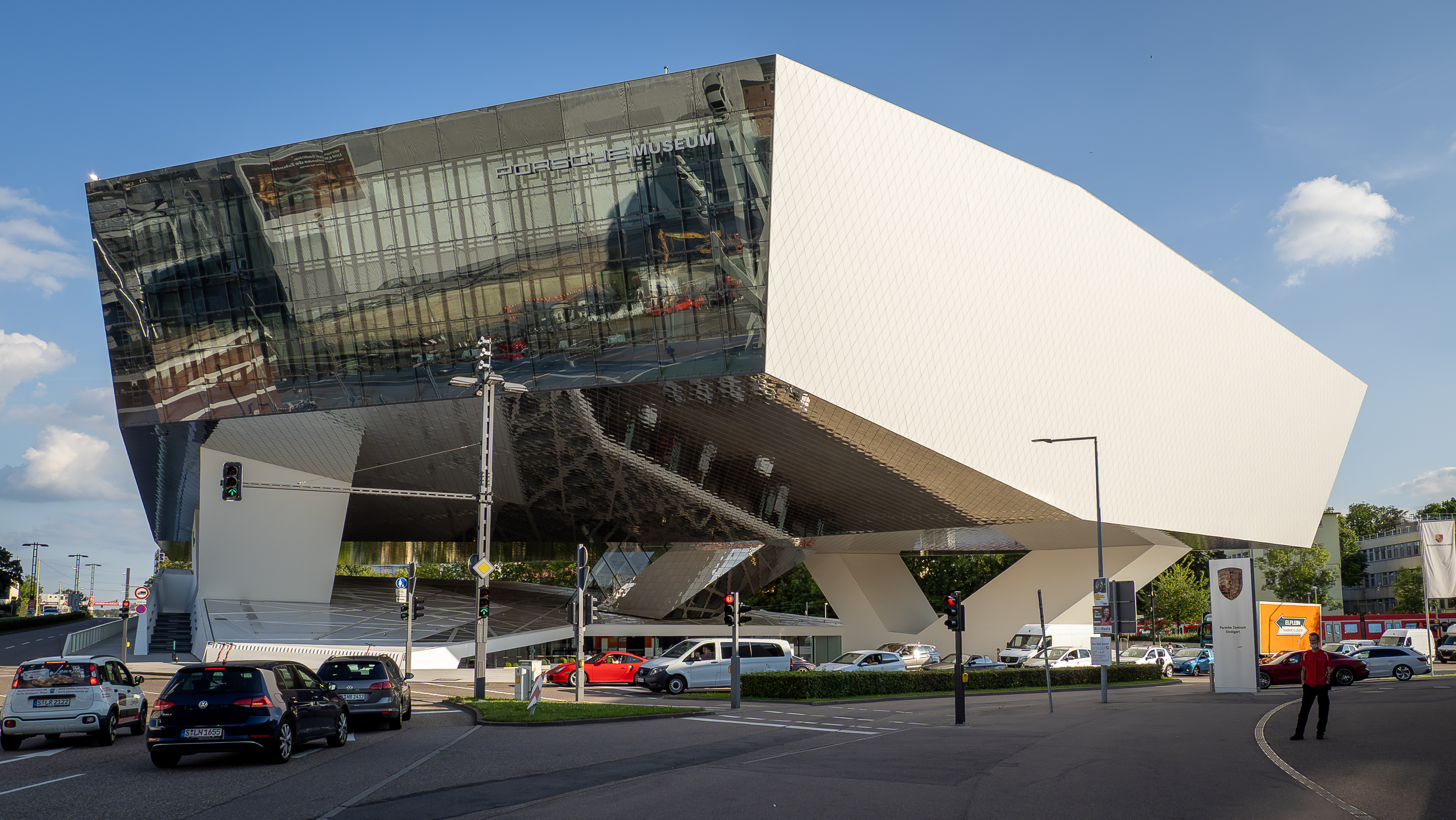
Porsche Museum is understandably smaller having a shorter history but a sharper racing profile. Designed by Vienna-based architects Delugan Meissl and opened in 2009, the Porsche Museum appears to float above the ground, supported by just three V-shaped concrete cores. Its dramatic 24-degree incline and white monolithic form create a futuristic aesthetic that mirrors Porsche’s forward-thinking design language, visible from the nearby Porscheplatz.
Have The Rolling Stones accompany you …
There is a virtual tour of the Porsche Museum here.
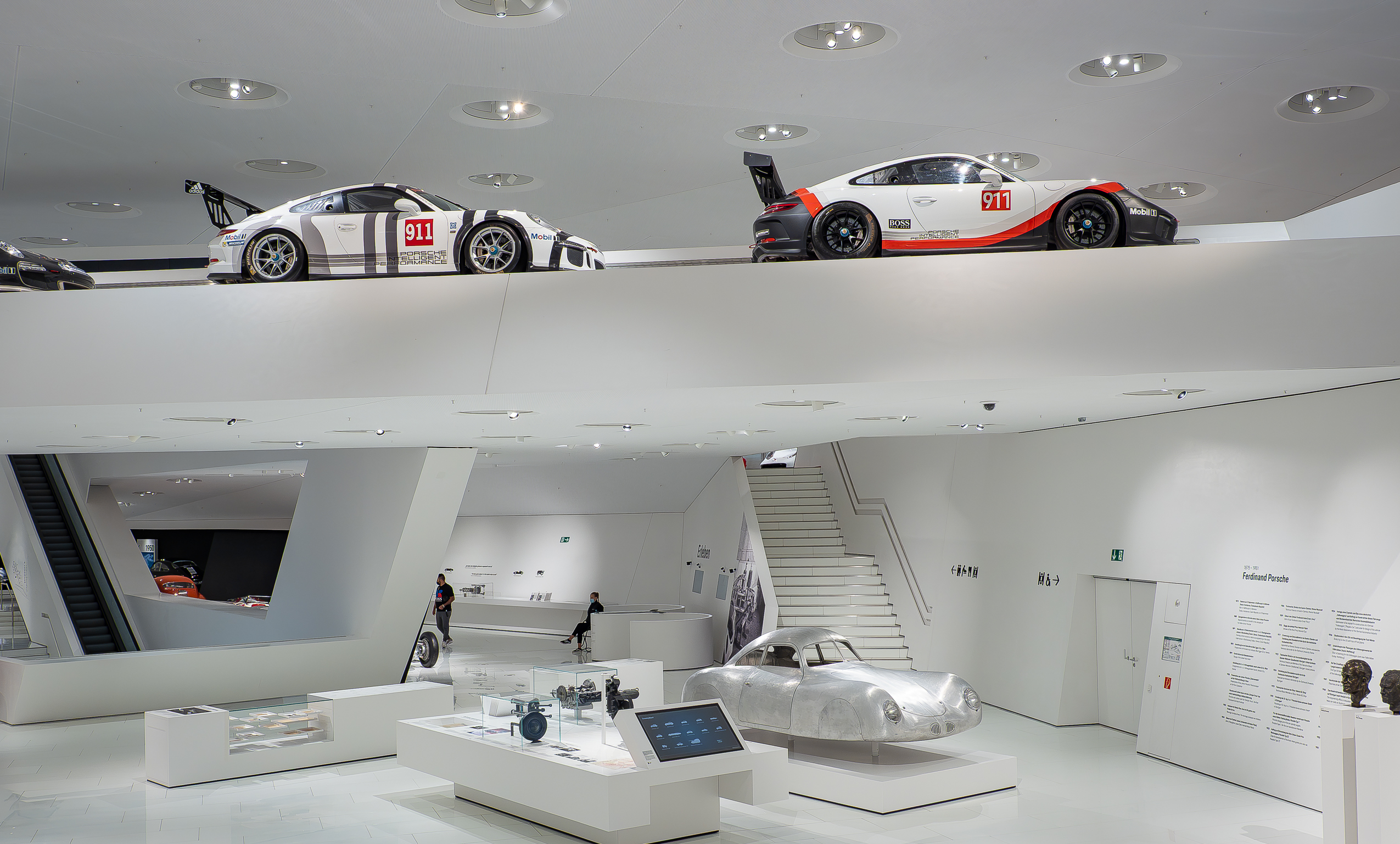
The museum’s 5,600 square meter exhibition space is deliberately open and flowing, with minimal walls to allow sight lines across the collection of almost 100 vehicles. Carefully designed artificial lighting highlights individual cars.
The museum’s layout takes visitors on a chronological journey through Porsche’s history featuring the brand’s iconic cars.
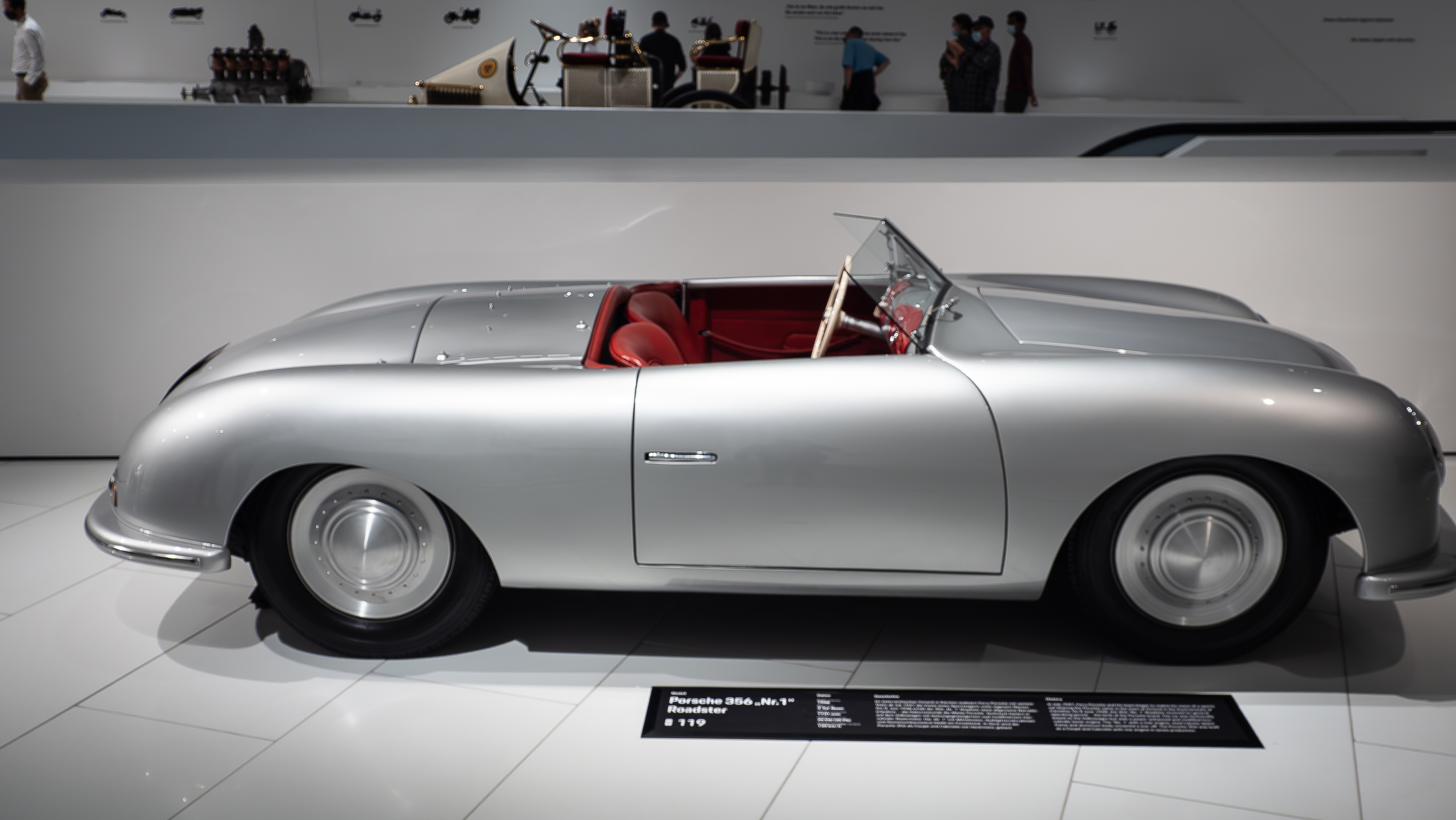
Ferdinand Porsche founded his independent engineering office in 1931, but the Porsche brand as we know it was born in 1948 with the Type 356, designed by his son Ferry Porsche.
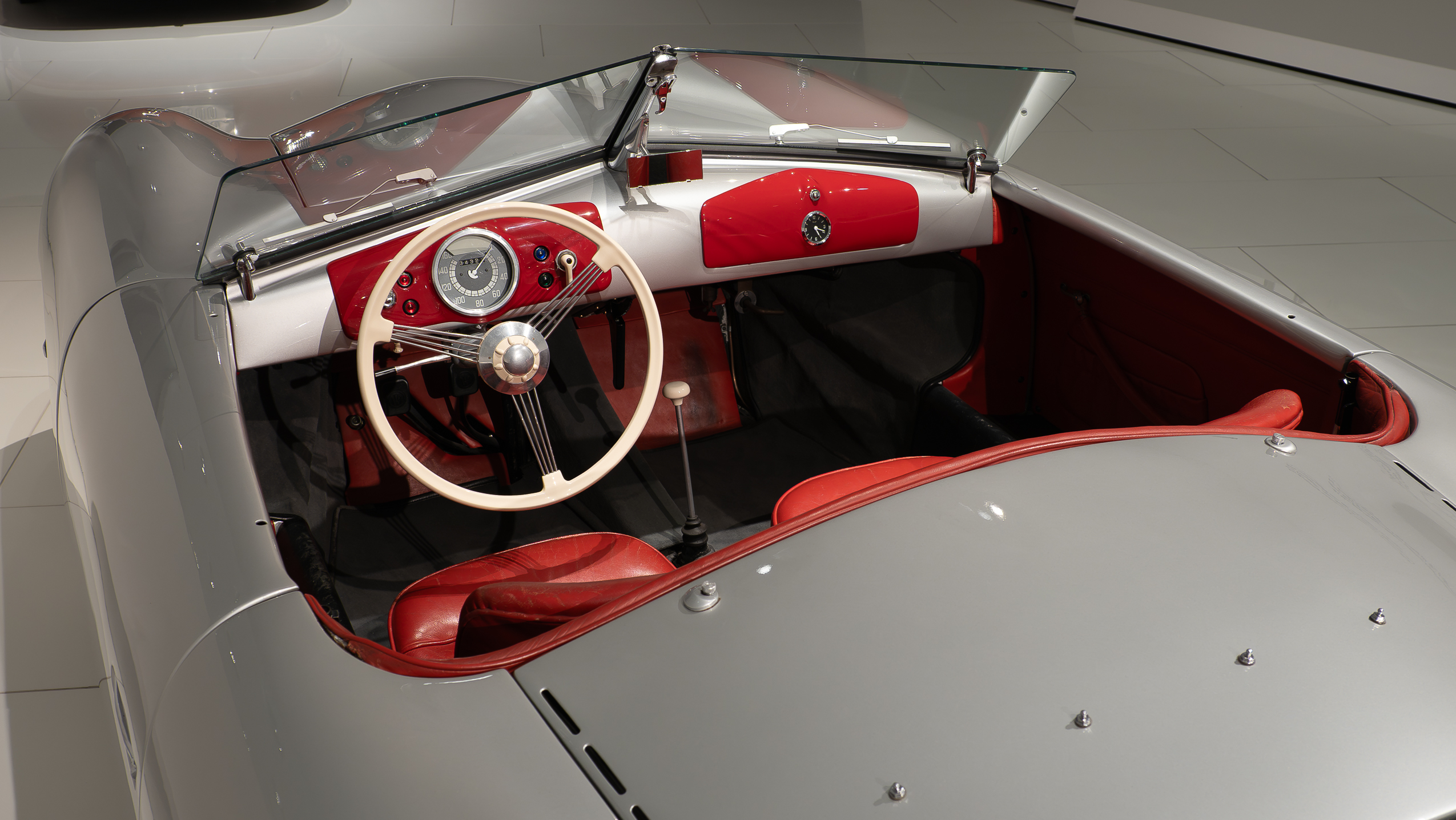
The 356 was a lightweight sports car that laid the foundation for Porsche’s philosophy: performance through engineering excellence and lightweight construction. This first model established the rear-engine layout that would become a Porsche signature.
The first car bearing the Porsche name was constructed in the Austrian town of Gmünd. On June 8, 1948, the 356 “No. 1” Roadster received its general operating permit. This is generally considered to be the birth date of the Porsche brand. In 1950, the factory moved from Gmünd to Stuttgart-Zuffenhausen, its current location.
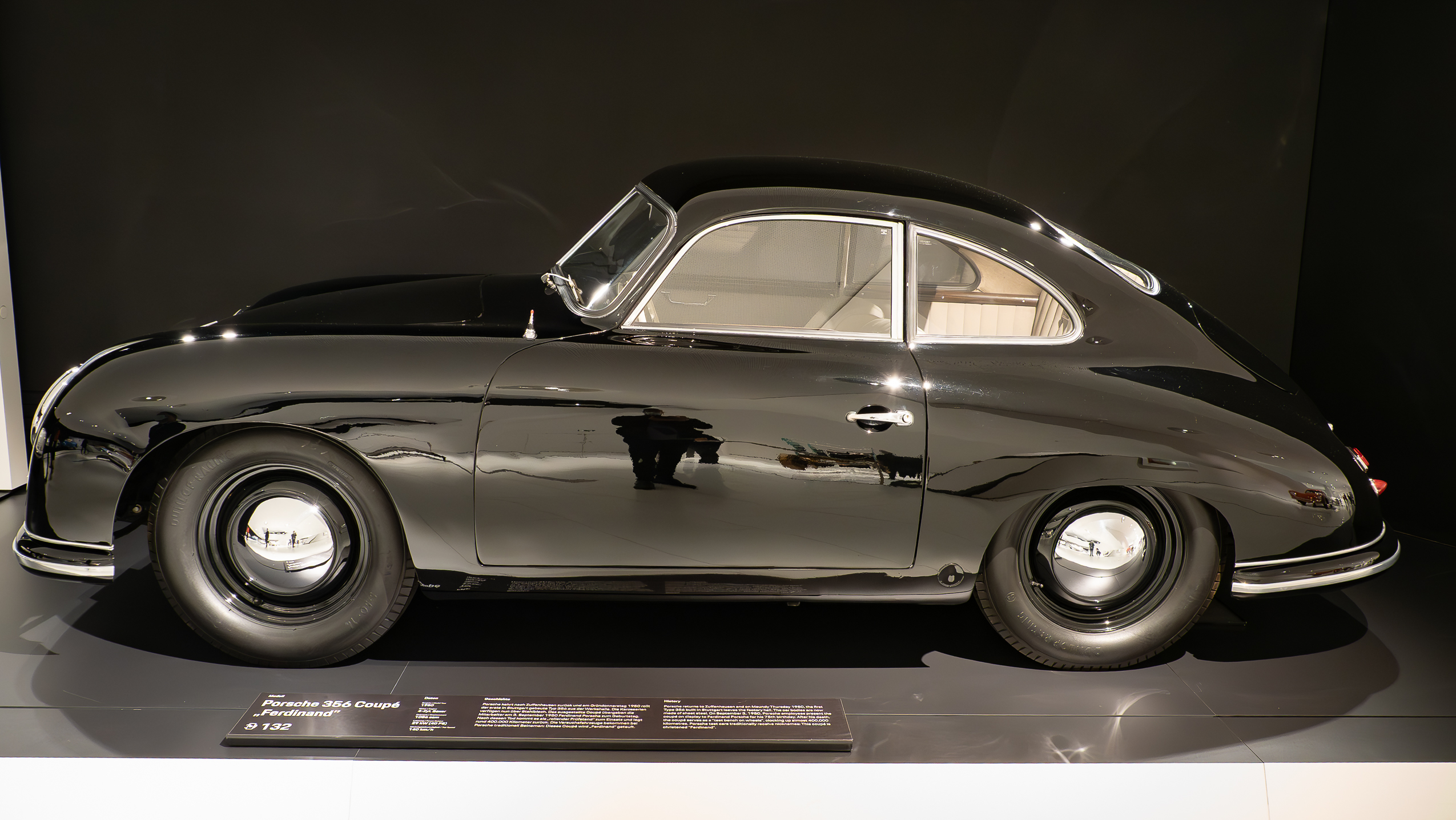
The 356 Coupé “Ferdinand” (1950) soon followed as a production-oriented design. The 356’s streamlined, teardrop shape—designed by Erwin Komenda with input from Ferry Porsche—proved remarkably aerodynamic and established the visual language that would evolve into the 911.
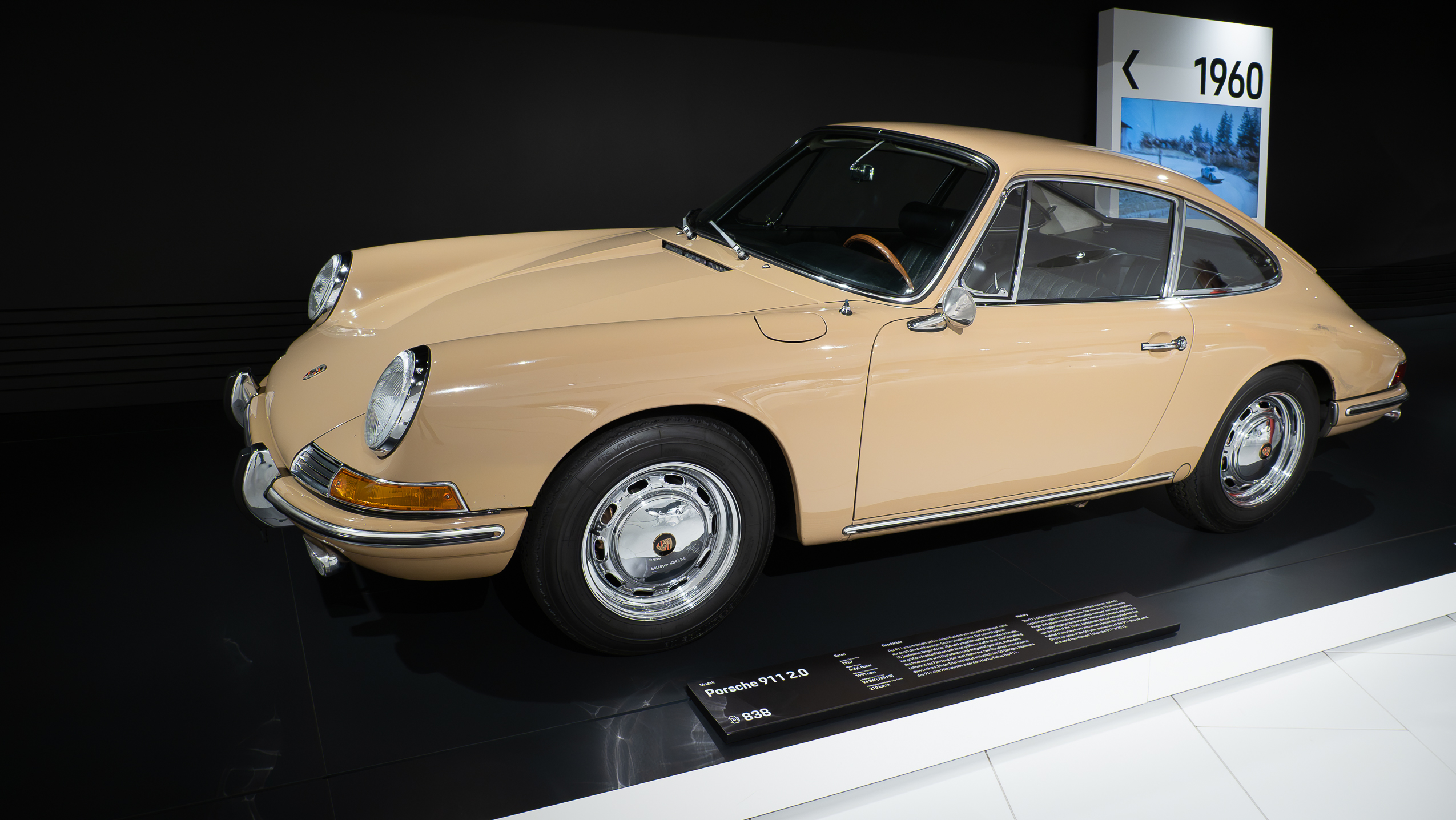
911 2.0 (1967) – Introduced in 1963 as the 901 (renamed 911 due to a Peugeot trademark dispute), the 911 became Porsche’s defining model. Its distinctive silhouette, rear-mounted flat-six engine, and exceptional handling made it an instant classic.
911 Carrera RS2.7 – The 911 has evolved continuously over six decades while maintaining its essential character, becoming one of the longest-running sports car designs in history. It will remain as a gasoline-powered car while most of Porsche’s cars will become electric.

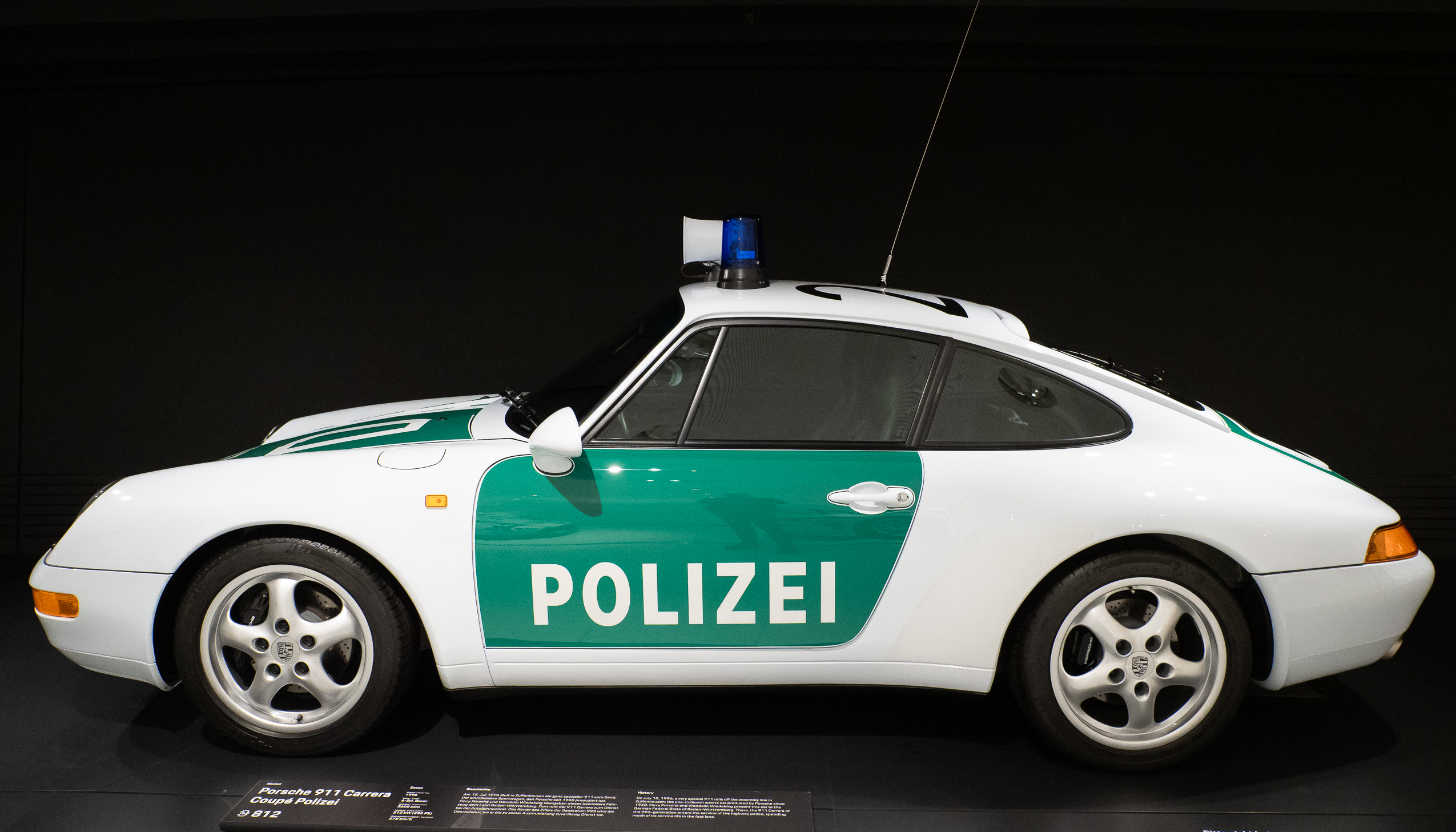
This 911 Carrera complete with rooftop siren and blue beacon is a very effective tool for chasing criminals.
The Porsche 924, introduced in 1976, was Porsche’s first front-engine, water-cooled sports car, marking a significant departure from the company’s rear-engine, air-cooled tradition. Originally developed as a joint project with Volkswagen, it was commercially successful and paved the way for future front-engine Porsches like the 944, 968, and 928.

Porsche’s signature flat-six (boxer) engines offer a low center of gravity and distinctive sound. The company pioneered the use of aluminum and composite materials in sports car construction, with models like the 918 Spyder showcasing carbon fiber technology. This obsession with weight reduction and balance remains central to Porsche’s engineering philosophy.

The Porsche C88 was a prototype family car designed for the Chinese market in 1994 in response to the Chinese government’s invitation to a number of manufacturers. It was never manufactured commercially.
See more of Porsche’s racing history and their cars in our next post.
If you are into cars, check out our post on the National Automobile Museum (MAUTO) in Turin, Italy (the town where Fiat was manufactured).